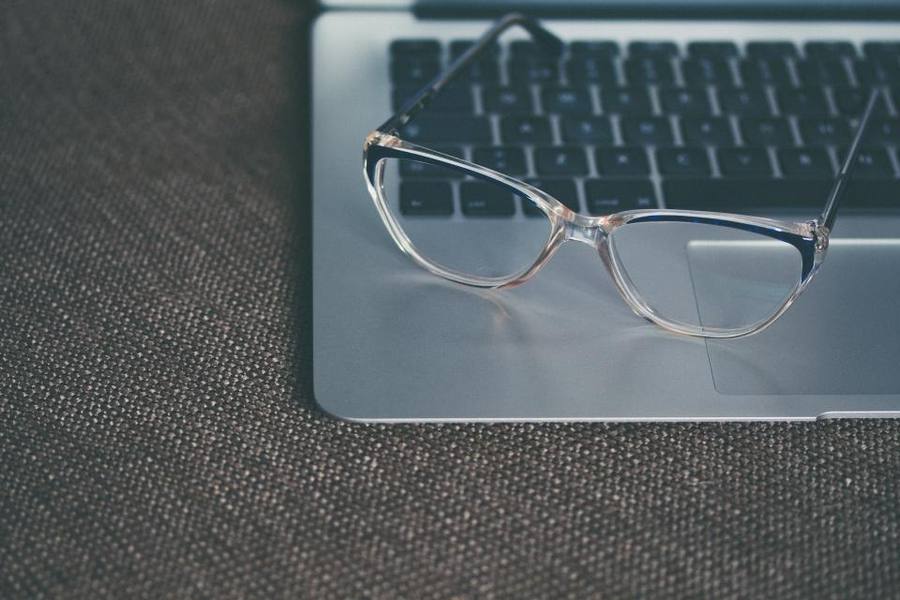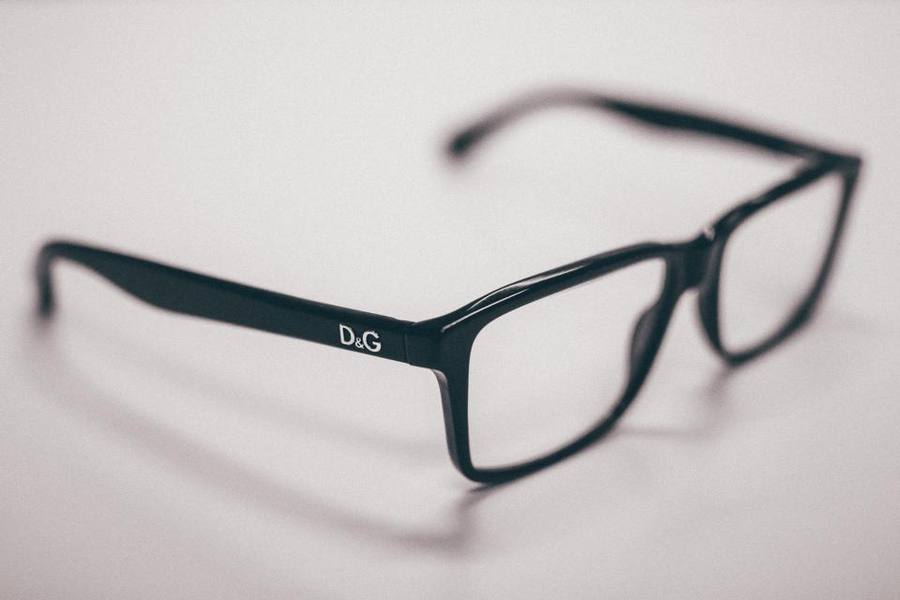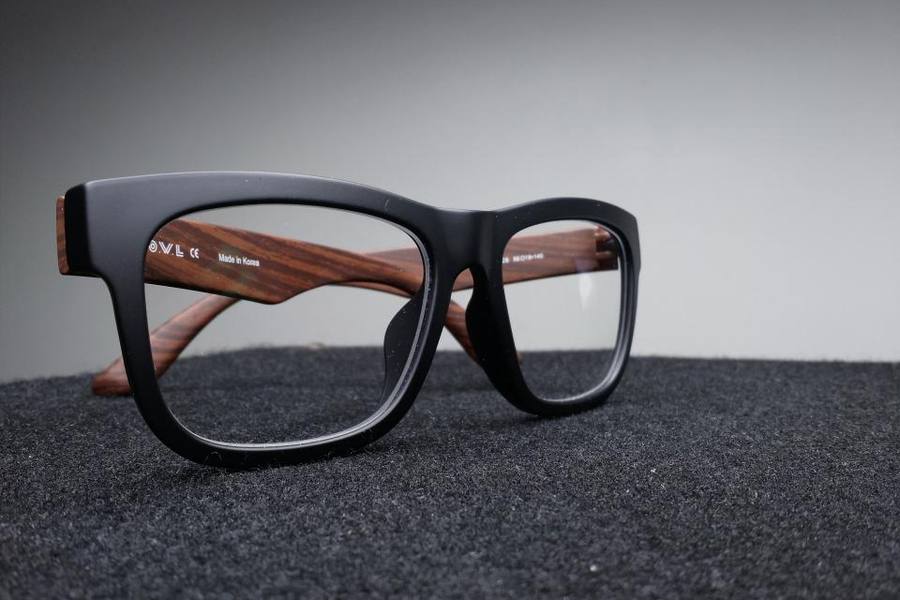
Representative image (stock photo); not the exact product.
The Blue Light Evidence Is Weak
Reviews of the available research have generally not found strong evidence that blue light filtering lenses reduce eye strain from screens.
Screens emit far less blue light than daylight does, and the amount reaching the eye from a monitor is small by comparison with going outside.
The honest position is that blue light filtering is a weakly supported feature sold confidently, and anybody buying these for that reason specifically should know the evidence does not back it.
What Actually Causes Screen Eye Strain
Reduced blink rate while concentrating is a major factor, since blinking less dries the eye surface and produces the gritty tired sensation people describe.
Sustained focus at one distance fatigues the focusing muscles, and poor screen position, glare and uncorrected vision all contribute.
The twenty-twenty-twenty guidance — looking at something around twenty feet away for twenty seconds every twenty minutes — addresses the focusing component and costs nothing.
Where These Genuinely Help
A prescription tuned specifically to screen distance, which is further than reading and closer than distance vision, genuinely reduces strain for anybody whose vision needs correction.
That intermediate correction is what makes purpose-made computer glasses useful, and it is a prescription matter rather than a coating one.
For anybody over roughly forty, where near focusing ability declines, a dedicated intermediate prescription often makes a substantial difference to comfort at a screen.
Anti-Reflective Coating Matters More
Reflections from overhead lights and windows on lens surfaces reduce contrast and cause genuine strain, and an anti-reflective coating addresses that directly.
That is a well-established benefit with a clear mechanism, unlike the blue light claims, and it is worth prioritising on any glasses worn at a screen.
Positioning the screen to avoid reflections in the first place matters more still, and is free.
Screen height is the other free adjustment that consistently helps, since a monitor positioned so the top of the screen sits at or slightly below eye level means the eyes look slightly downward, which is their more relaxed position and exposes less of the eye surface to drying air.
Sleep And Evening Screens
Evening light exposure can affect sleep timing, and blue wavelengths are implicated, which is where the blue light idea originates.
The effect relates to overall light exposure and timing rather than screens specifically, and dimming screens and rooms in the evening addresses it more directly than a lens coating does.
Anybody with a genuine sleep problem should address light exposure broadly and, if it persists, see a doctor rather than relying on glasses.
Dry eye is worth mentioning separately because it is the actual cause of much screen discomfort and responds to things a lens cannot provide. Lubricating drops, a humidifier in a dry office, and deliberately blinking fully rather than the partial blinks people make while concentrating all address it directly. Anybody whose eyes feel gritty and tired after screen work is more likely to be describing dryness than anything a coating could fix.
The Verdict
Genuinely useful when they carry an intermediate prescription and anti-reflective coating, and weakly supported as a blue light product.
Screen eye strain has causes that a coating does not address, blinking and screen position matter more, and the research does not back the main claim.
Buy them for a screen-distance prescription and anti-reflective coating. The blue light filtering is the part the evidence does not support.
At a glance
Pros
- Intermediate prescription genuinely reduces screen strain
- Anti-reflective coating improves contrast measurably
- Particularly useful over forty as near focus declines
- Comfortable for sustained screen work
Cons
- Blue light filtering claims are weakly supported
- Do not address blink rate, the main strain factor
- Screen position and glare matter more
- Tinted versions distort colour for design work
Frequently asked questions
Does blue light filtering work?
Reviews of the research have generally not found strong evidence that it reduces eye strain. Screens emit far less blue light than daylight, and the claim is sold more confidently than the evidence supports.
What actually causes screen eye strain?
Reduced blink rate while concentrating, which dries the eye surface, plus sustained focus at one distance, poor screen position, glare and uncorrected vision. Looking twenty feet away for twenty seconds every twenty minutes addresses the focusing part free.
Are they worth buying at all?
Yes, if they carry a prescription tuned to screen distance and an anti-reflective coating. That intermediate correction genuinely helps, particularly over forty, and anti-reflective coating has a clear mechanism where blue light filtering does not.
Specifications
| Type | Screen-distance glasses |
| Blue light evidence | Weak; not well supported |
| Genuine benefit | Intermediate prescription for screen distance |
| Coating that matters | Anti-reflective |
| Main strain cause | Reduced blink rate |
| Free intervention | Twenty-twenty-twenty rule |
| Most useful for | Anybody over forty at a screen |
| For sleep | Address light exposure and timing broadly |
The bottom line
Buy them for the screen-distance prescription and anti-reflective coating. The blue light part is not well supported.
Check Price on Amazon