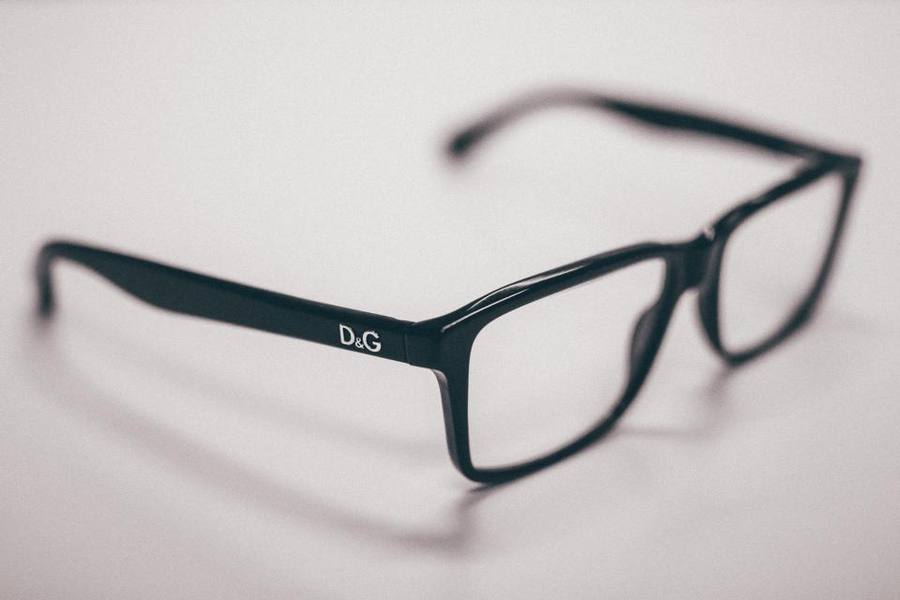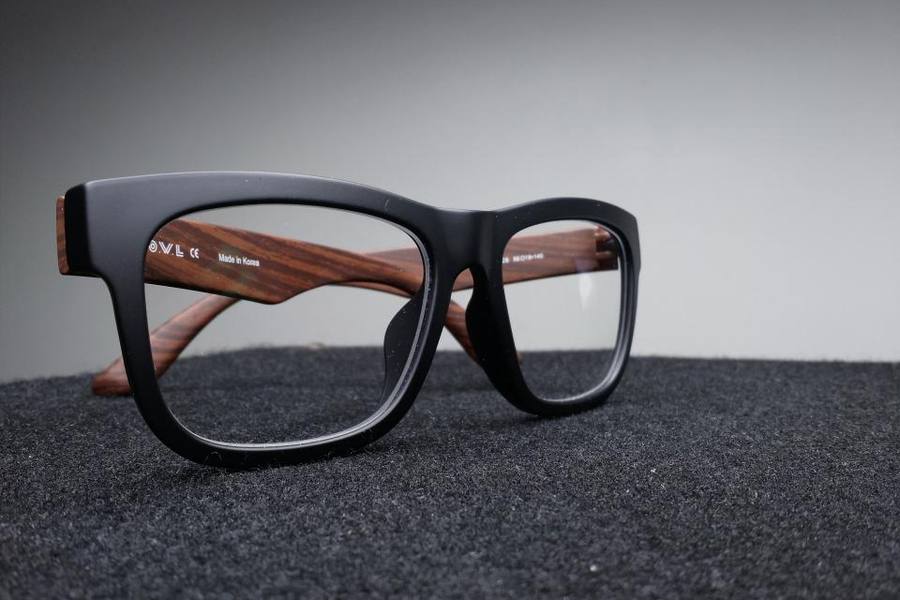
Symbolbild (Stockfoto); nicht das abgebildete Produkt.
One Pair Instead Of Two
Photochromic lenses darken outdoors and clear indoors, which removes the need to carry and swap between two pairs of glasses.
For anybody who needs vision correction and moves between inside and outside repeatedly, that convenience is the entire argument and it is a strong one.
It also means you always have sun protection with you rather than leaving prescription sunglasses at home, which for eye health is a practical benefit.
They Do Not Work Behind A Windscreen
Most photochromic lenses darken in response to ultraviolet light, and modern car windscreens block most ultraviolet.
That means the lenses stay largely clear while driving in bright sun, which is precisely when people most want them dark.
Some specific products are designed to respond behind glass, and anybody buying photochromic lenses primarily for driving should confirm that rather than assume it.
Temperature Affects Them
The reaction is temperature dependent, so lenses darken more in cold conditions and less in heat.
On a hot bright summer day they may not reach full darkness, which is the opposite of what is wanted, and on a cold bright winter day they go very dark.
That behaviour catches people out, and it is inherent to the chemistry rather than a fault with a particular product.
Clearing Speed
Darkening happens fairly quickly, and clearing takes longer — often several minutes to return fully to clear.
Walking into a dim building from bright sun means a period of reduced vision while the lenses clear, which is a genuine consideration in car parks, shops and stairwells.
The lenses also rarely return to completely clear on older products, retaining a slight tint that is more noticeable in photographs than in use.
Polarised photochromic options exist and combine both technologies, which for anybody who wants glare reduction as well as automatic darkening is worth knowing about. They cost more again, and they carry both sets of limitations at once — the driving problem from the photochromic side and the screen interference from the polarised side. For a person who spends most of their outdoor time near water or snow, the combination can still be worth it.
Cost And Lifespan
The photochromic behaviour degrades over years, becoming slower and less dark, and lenses reaching that point need replacing even if the prescription has not changed.
They also add meaningfully to the cost of lenses, and for anybody who spends most of their time indoors the benefit may not justify it.
Anybody trying them for the first time should expect an adjustment period, since the gradual shifts in tint are noticeable at first and become unremarkable within a week or two of normal wear.
A separate pair of prescription sunglasses is often better optically and is two pairs to manage, which is the trade being made.
Polarisation can be combined with photochromic on some products, and anybody considering that should confirm it is offered in their prescription range before planning around it.
The Verdict
A genuinely convenient solution for anybody moving between indoors and outdoors regularly, at the cost of two specific behavioural limitations.
They do not darken behind a windscreen, temperature affects performance, clearing takes minutes, and the effect degrades over years.
If you want them for driving, confirm the product works behind glass. Most do not, because windscreens block the ultraviolet they respond to.
Auf einen Blick
Vorteile
- One pair covers indoors and outdoors
- Always have sun protection without carrying two pairs
- Convenient for repeated in-and-out movement
- Available in most prescriptions and lens types
Nachteile
- Do not darken behind most car windscreens
- Darken less in hot weather, more in cold
- Take several minutes to clear fully
- Photochromic effect degrades over years
Häufig gestellte Fragen
Will they darken while I drive?
Mostly not. They respond to ultraviolet light, and modern windscreens block most of it, so they stay largely clear in exactly the situation people most want them dark. Specific products designed for behind glass exist — confirm rather than assume.
Why are they lighter in summer?
The reaction is temperature dependent, so they darken more in cold and less in heat. On a hot bright day they may not reach full darkness, which is inherent to the chemistry rather than a fault with a particular product.
Do they last forever?
No. The photochromic behaviour degrades over years, becoming slower and less dark, and lenses reaching that point need replacing even if your prescription has not changed.
Spezifikationen
| Type | Photochromic prescription lenses |
| Trigger | Ultraviolet light |
| Behind a windscreen | Mostly stay clear |
| Temperature | Darker in cold, lighter in heat |
| Darkening | Fairly quick |
| Clearing | Several minutes |
| Lifespan | Effect degrades over years |
| Alternative | Separate prescription sunglasses |
Fazit
Genuinely convenient for moving in and out. They do not work behind a windscreen and they lighten in hot weather.
Preis auf Amazon prüfen